
Originally published on HAR by Michael Gee with updated Houston insights. Read full article here.
Houston sellers are running into a market that behaves differently than it did just a couple of years ago. Inventory has climbed, buyers are taking their time, and homes that would have sold in days are now sitting for weeks.
Most of the time, there is a clear, fixable reason behind it.
This breakdown covers the biggest factors keeping Houston homes on the market longer in 2026, along with what buyers and sellers using VA loans specifically need to watch for.
Houston Has Become a More Balanced Market
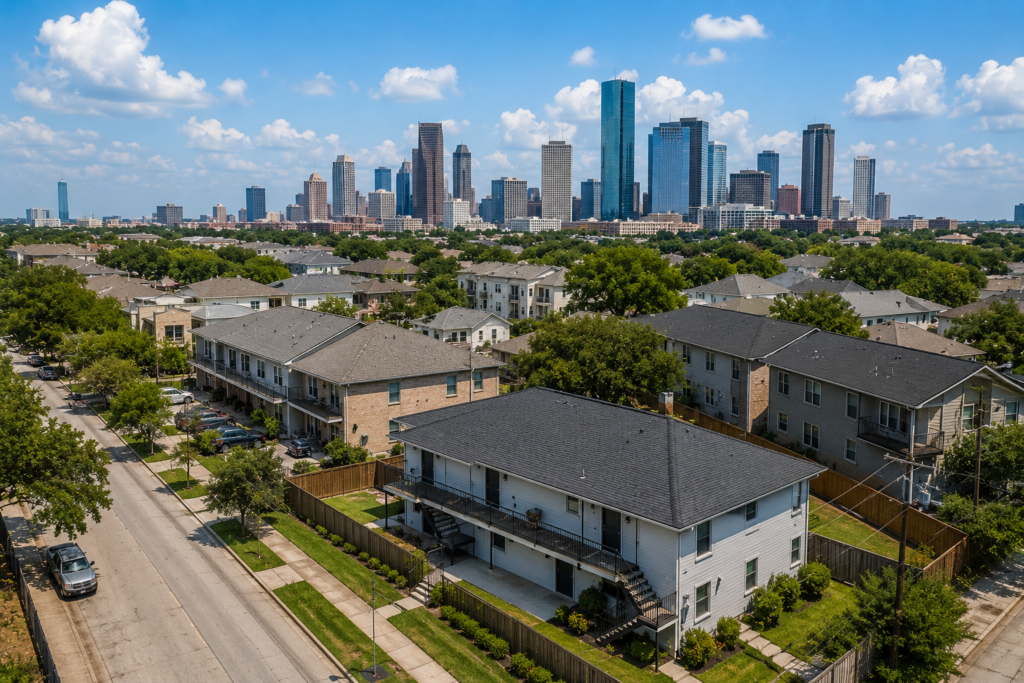
Active single family listings across Greater Houston hit a record of roughly 40,750 homes in mid-2026, and months of inventory has ranged from 4.7 to 5.6 through the year.
Days on market have stretched to the 50s, 60s, and in some segments the 90s, compared to averages in the 50s a year earlier.
Prices have stayed relatively steady in the $330,000 to $345,000 range for the median single family home, so this is a rebalancing, not a downturn.
Different Houston neighborhoods are experiencing this shift unevenly. Areas like Katy, Cypress, Sugar Land, and Pearland see heavy competition in the mid-price ranges, while the luxury segment above $1 million has posted some of the strongest year-over-year sales growth in the entire market.
Price Is Still the Biggest Factor
Homes get the most attention in their first two weeks on the market.
Price even slightly above what similar homes have actually sold for in the past 90 days, and that early attention evaporates. Buyers see a stale listing and assume there is a hidden problem, even when there is not.
Sellers who study sold comps rather than active competitor listings, and who price to match current conditions rather than last year’s market, consistently move faster than sellers who start high and chase the market down.
Condition Problems Surface Later If Not Addressed Early
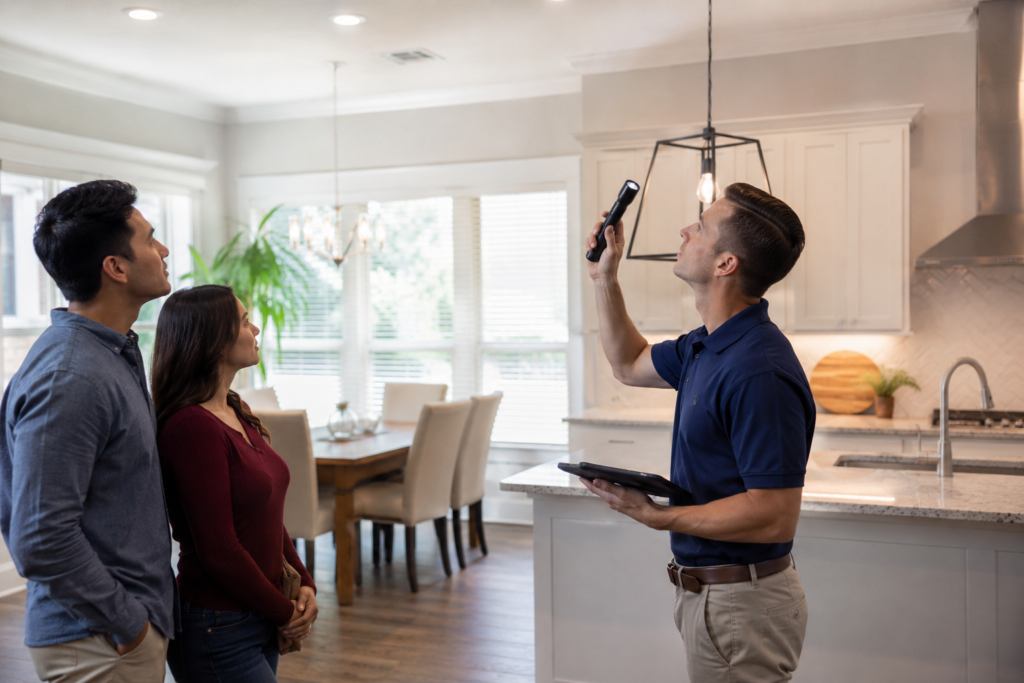
Foundation issues, roof age, plumbing, and electrical problems do not just turn off buyers during a showing. They can derail a deal entirely once a home inspection or appraisal happens.
Texas law does not require sellers to fix known issues before listing, only to disclose them, but buyers using FHA or VA financing in particular have much less flexibility once a problem is flagged.
A pre-listing inspection lets a seller address issues on their own terms and their own budget, rather than negotiating repairs under pressure after already accepting an offer.
VA Loan Buyers Face an Extra Layer of Review
Houston has a significant population of veterans and active military families, and a large share of home purchases run through VA financing.
VA loans require the property to meet Minimum Property Requirements in addition to a standard appraisal. This means the home must have working electrical, plumbing, and HVAC systems, a roof with sufficient remaining life, no active moisture intrusion, proper handrails and safety features, and lead paint clearance for homes built before 1978.
The current VA loan limit for Harris County and the rest of Texas sits at $832,750 for buyers with partial entitlement, with no cap for those with full entitlement.
Veterans also benefit from a one-time funding fee instead of ongoing mortgage insurance, and those with a service-connected disability rating of 10% or higher are exempt from that fee altogether.
Sellers hoping to attract VA buyers, or currently under contract with one, should get ahead of common MPR flags like peeling paint on older homes, missing handrails, and roof condition before the appraiser ever shows up.
Presentation Still Drives Buyer Interest
Most buyers form their first impression of a Houston home online, long before scheduling a showing.
Dark photos, cluttered rooms, and generic listing descriptions get scrolled past in a market with this much competing inventory.
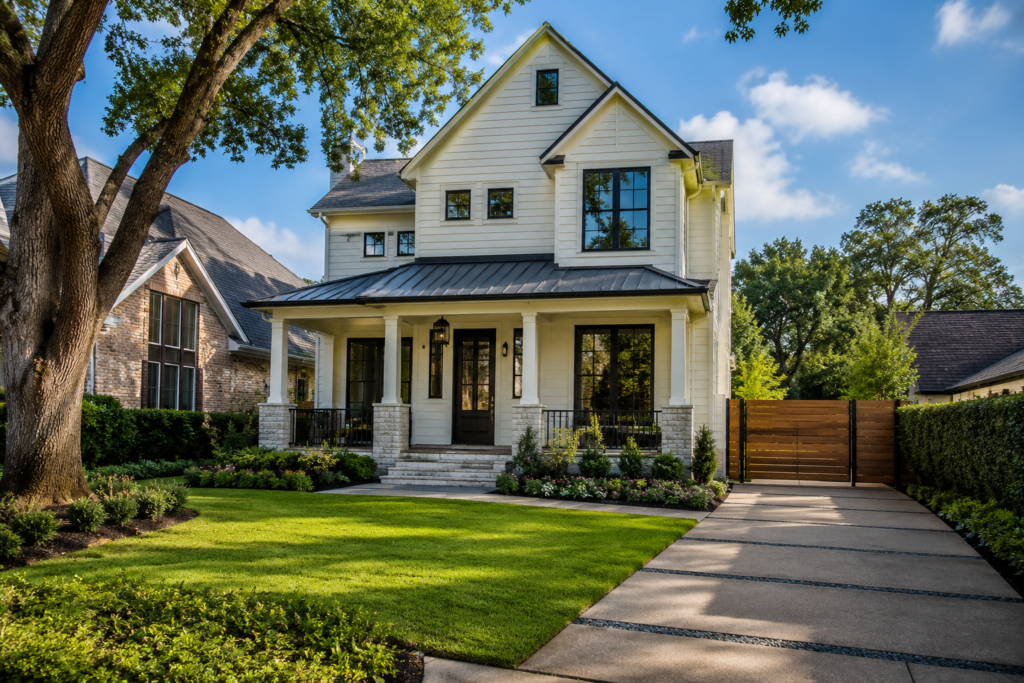
Professional photography and light staging in the kitchen, living room, and primary bedroom consistently produce faster, stronger offers.
More Competition Means Marketing Has to Work Harder
With Houston listings at record levels, a home is competing against dozens of similar properties in the same price band and school zone, not just a handful.
Listings that rely only on the MLS and get no additional marketing exposure tend to sit longer, especially with out-of-state buyers, including relocating professionals and military families, who are evaluating homes almost entirely online before ever visiting Houston in person.
What This Means for Buyers, Sellers, and Investors
Buyers currently hold more leverage and more choices than they have in years, particularly in the $150,000 to $500,000 range across growing suburbs like Katy, Cypress, and Pearland.
Sellers who price accurately, handle condition issues proactively, and present their home well are still closing deals at a solid pace despite longer average market times.
Investors watching the Houston housing market should track submarket-level inventory closely, since luxury and entry-level homes are moving very differently than the middle price tiers this year.
Search Houston homes, explore Houston neighborhoods, or register for listing alerts to stay ahead of a market that is moving fast in some segments and slower in others.
If you’re a veteran buying in Houston, understanding VA appraisal requirements before you write an offer can save you weeks of delay.
What You Get When You Work With The Gee Team
- Real-time Houston market data specific to your neighborhood
- Deep VA loan expertise, including how to avoid common appraisal delays
- Pricing built from actual sold comps, not guesswork or wishful thinking
- Fast, direct communication throughout your entire transaction