
Originally published on HAR by Michael Gee with updated Houston insights. Read the full HAR version here.
Living in The Heights Houston Texas: Pros and Cons for 2026 Homebuyers
The Heights consistently ranks among Houston’s most desirable neighborhoods, drawing homebuyers, investors, and military families with its combination of historic character and contemporary amenities. Positioned just four miles northwest of downtown Houston, this community delivers a lifestyle distinctly different from other Houston areas. Grasping both the benefits and obstacles of Heights living enables Houston homebuyers to make strategic decisions about whether this neighborhood suits their objectives.
This detailed guide explores the realities of Heights living in 2026, from property value growth to everyday practicalities, providing you the knowledge required to assess if this historic Houston neighborhood matches your lifestyle and financial situation.
The Heights Real Estate Market: Consistent Growth with Premium Positioning
The Houston Heights housing market shows sustained momentum entering 2026. Current market intelligence indicates the median home price in Greater Heights reached $675,000 in December 2025, marking a 2.4% annual increase. Average asking prices for new listings now register at $802,307, with properties averaging 88 days on market.
For homebuyers assessing investment potential, The Heights has produced remarkable returns across the past decade. Heights homes have approximately doubled in value over 10 years, with a 41% rise in average price per square foot during this timeframe. This appreciation exceeds many other Houston neighborhoods, including Montrose and EaDo, positioning The Heights favorably for buyers prioritizing long term equity accumulation.
Current inventory includes roughly 403 properties on the market, down 13% from prior periods. This constrained supply continues supporting pricing, although the market has transitioned from the intense activity of 2021 and 2022 to a more balanced dynamic in 2026.
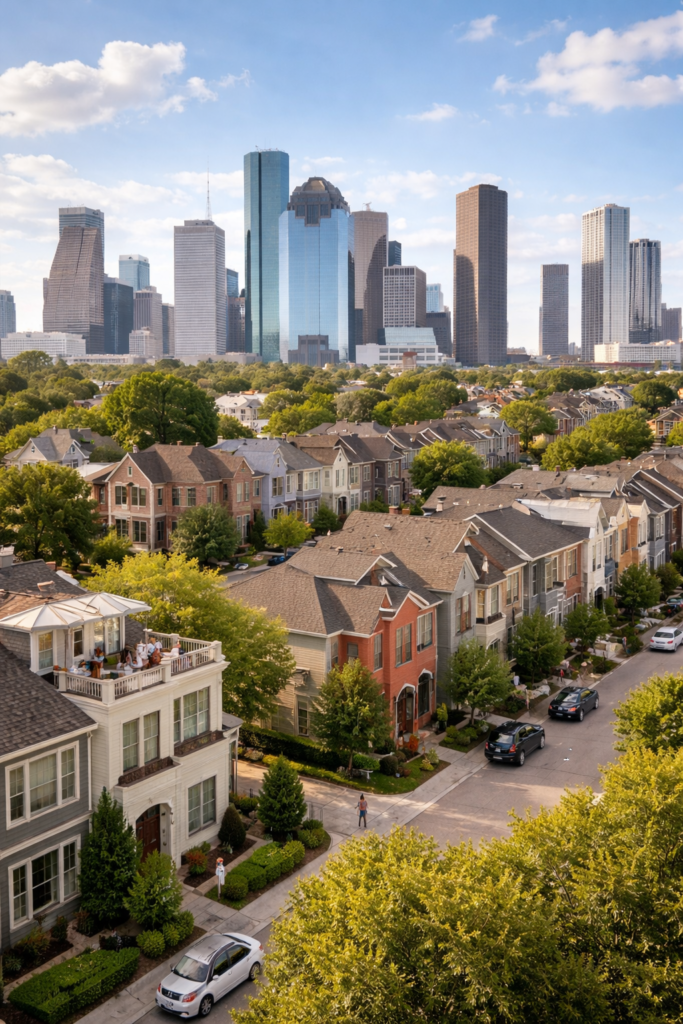
New development continues actively throughout The Heights, with townhomes and contemporary single family residences occupying available parcels. Pricing for new construction typically spans from $499,000 to over $2 million, varying by size, location, and finish quality. The median new construction price sits around $697,450, with an average price per square foot of $321.69.
VA Loan Benefits in The Heights for Military Homebuyers
Military families and veterans access The Heights effectively through VA loan financing, which delivers notable advantages for Houston homebuyers. The 2025 VA loan limit for Harris County stands at $806,500, permitting eligible veterans to purchase Heights homes with zero down payment up to this threshold. For properties exceeding the limit, buyers can still qualify with down payment requirements only on the excess amount.
VA lenders in the Houston market typically accept credit scores as low as 580 to 620, making qualification more accessible than conventional financing. The elimination of private mortgage insurance (PMI) generates considerable monthly savings compared to traditional mortgages, especially important given The Heights’ premium pricing structure.
With median home prices in The Heights at $675,000, numerous properties remain within VA loan limits, enabling military families to access this sought after Houston neighborhood without the standard 20% down payment obstacle. Properties in the $500,000 to $800,000 range represent optimal targets for VA buyers pursuing the Heights lifestyle without exceeding loan limits.
Walkability and Community: A Neighborhood Built for Interaction
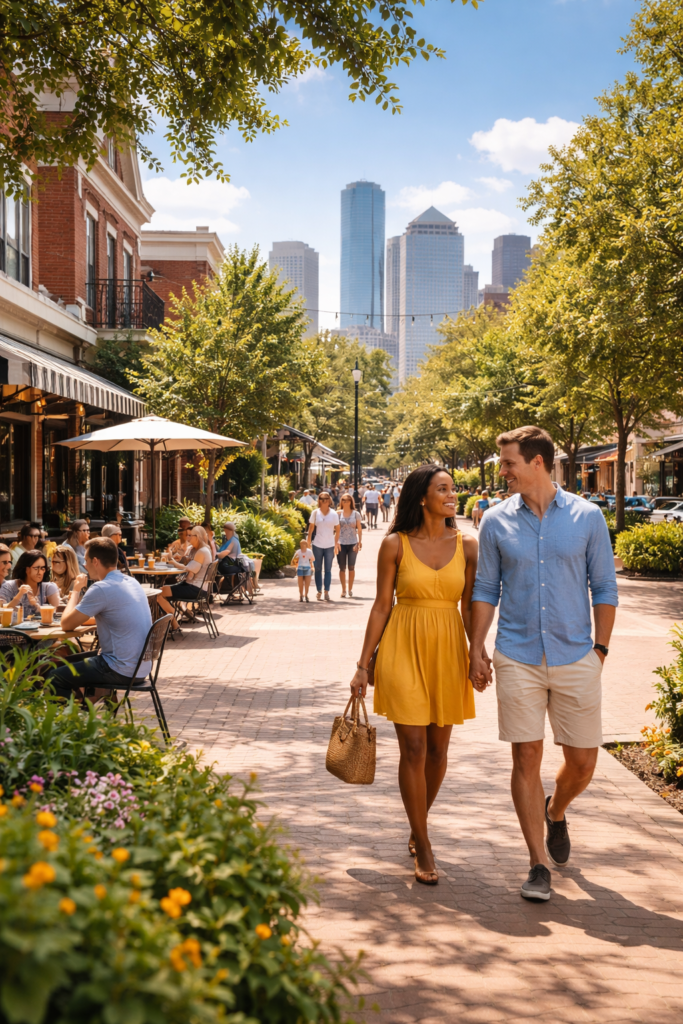
The Heights differentiates itself from sprawling Houston suburbs through authentic walkability concentrated along primary corridors. The 19th Street shopping district functions as the neighborhood’s commercial center, showcasing locally owned boutiques, antique shops, art galleries, and restaurants housed in restored early 20th century bungalows.
Notable dining destinations include Pinkerton’s Barbecue, Coltivare Pizza, Postino Heights, and Rainbow Lodge, delivering diverse cuisine options within walking distance for many residents. The Greater Heights area features over 1,000 Yelp rated establishments, supplying abundant choices for entertainment and daily requirements.
Outdoor recreation focuses on the White Oak Bayou Trail and Heights Hike and Bike Trail, which collectively provide over 17 miles of paved paths linking residents to parks, downtown Houston, and the Buffalo Bayou trail network. Donovan Park, Stude Park, and other green spaces offer family oriented amenities including playgrounds and open areas for recreation.
This walkability includes trade offs. While 19th Street and Heights Boulevard deliver pedestrian friendly experiences, most Heights residents still need vehicles for grocery shopping, work commutes, and errands beyond the immediate neighborhood. The neighborhood’s Walk Score fluctuates significantly by location, with areas near commercial corridors scoring higher than residential sections.
Commute Patterns: Access to Houston Employment Hubs
Location benefits rank among The Heights’ most compelling selling points for Houston homebuyers. Downtown Houston sits approximately 10 to 15 minutes away via surface streets or I 10, though this extends to 30 to 40 minutes during peak rush periods.
For Texas Medical Center employees, commute durations typically range from 20 to 40 minutes depending on route and departure timing. Residents report that departing before 7:00 AM reduces the commute to 20 to 25 minutes, while afternoon returns frequently stretch to 35 to 40 minutes. Surface street routes along Studewood or Montrose often prove quicker than freeways during rush hour, and METRO bus route 56 supplies direct service to the Medical Center for those preferring public transportation.
The Energy Corridor and Katy lie 25 to 35 minutes west via I 10 under typical conditions, extending considerably during rush hour due to persistent freeway congestion. The Galleria area sits 15 to 20 minutes away, while George Bush Intercontinental Airport requires 30 to 35 minutes of drive time.
Connections to major Houston highways including I 10, I 45, and I 610 provide flexibility for reaching various employment centers across the metropolitan area. This central positioning proves particularly valuable for households with dual commutes to different sectors of Houston.
The Full Cost Picture: Property Taxes and Monthly Obligations
Comprehending the complete cost scenario extends beyond mortgage payments in The Heights. Harris County property taxes average 1.77% of assessed home value annually, nearly double the national average of 0.90%. For a home valued at $675,000, annual property taxes total approximately $11,948, or $995.50 monthly.
These property tax rates fund county services, Houston Independent School District, and other taxing entities. Homeowners aged 65 and older, disabled individuals, and disabled veterans may qualify for additional exemptions reducing this load. The homestead exemption provides some relief by excluding a portion of property value from taxation.
Beyond property taxes, homeowners should budget for higher than average utility expenses due to Houston’s climate. Air conditioning operates nearly year round, with peak summer usage driving substantial electricity bills. Many Heights homes constructed before modern efficiency standards consume more energy than newer construction.
Homeowners association fees vary considerably. Historic single family homes typically carry no HOA fees, while newer townhome developments charge $200 to $400 monthly for maintenance and amenities. These fees cover exterior maintenance, insurance, and common area upkeep, reducing individual homeowner responsibilities but adding to monthly costs.
Parking and Congestion: Living in a Dense Urban Neighborhood
Parking obstacles represent a frequent concern among Heights residents, particularly near popular commercial zones. The 19th Street shopping district experiences substantial parking competition, especially during weekends and evening hours. Street parking fills rapidly, and many restaurants lack dedicated lots, forcing patrons to circle blocks searching for available spaces.
Residential streets encounter similar pressures. Newer townhomes often provide limited parking, typically two spaces in attached garages. Guests and service providers struggle to locate street parking, particularly on blocks with multiple multi family developments. Some residents report tense relationships with neighbors over street parking, with permit parking programs implemented on select blocks to address restaurant and commercial spillover.
The narrow, winding streets contributing to The Heights’ historic charm also generate traffic congestion during peak hours. Major thoroughfares including I 10, Yale Street, and Shepherd Drive experience heavy congestion, particularly during morning and evening rush periods. Construction projects aimed at improving infrastructure periodically close lanes and disrupt normal traffic flow.
Parking lot takeovers and illegal street racing have emerged as issues in parts of The Heights, particularly near TC Jester and 20th Street, where large gatherings in commercial parking lots create noise and safety concerns for nearby residents. City officials and property owners continue working to address these problems through additional patrols and physical barriers.
Historic Preservation Rules: Regulations That Impact Renovation Plans
Sections of The Heights fall within Houston’s historic districts, which impose design guidelines affecting renovations, additions, and new construction. The East, West, and South Houston Heights Historic Districts each follow specific guidelines covering architectural elements, setbacks, floor area ratios (FAR), lot coverage, and materials.
Homeowners planning modifications must submit plans to the City of Houston for review. These guidelines govern window and door styles, roofline alterations, building materials, front and side setbacks, and maximum building heights. The intent preserves the neighborhood’s historic character, but restrictions limit homeowner flexibility compared to non designated areas.
Side setbacks in the historic districts require a minimum of five feet on each side, with cumulative totals of 10 feet for one story houses and 15 feet for two story homes. Floor area ratio (FAR) limits restrict total building size relative to lot size, preventing oversized structures that overwhelm neighboring homes. Maximum lot coverage prevents properties from becoming entirely covered by structures with no yard space.
For buyers planning extensive renovations or additions, understanding these requirements proves essential. Projects that might be routine in other Houston neighborhoods require additional scrutiny and may face denial if they conflict with preservation guidelines. Buyers should review applicable guidelines before purchasing historic district properties if modifications are anticipated.
Houston Climate: Heat, Humidity, and Weather Patterns
Houston’s subtropical climate presents challenges that Heights residents must navigate year round. Summer temperatures regularly reach the mid 90s, with heat index values exceeding 105°F due to high humidity averaging 80%. July and August represent peak discomfort, when outdoor activities become challenging during midday hours.
The humidity affects daily life beyond mere discomfort. Mold and mildew require vigilant attention in homes, particularly older structures with dated moisture barriers. Air conditioning systems run nearly constantly from May through September, driving utility costs higher. Outdoor maintenance becomes more demanding, with grass and landscaping requiring frequent watering despite regular rainfall.
The Heights’ elevation provides some flooding advantage compared to lower lying Houston neighborhoods. The area was historically built on high ground, reducing flood risk during typical rain events. However, Hurricane Harvey demonstrated that no Houston neighborhood is completely immune to catastrophic flooding, and homeowners should carefully review flood maps and consider flood insurance regardless of FEMA designated zones.
Mild winters offer relief from summer intensity, with January average highs around 63°F. Freezing temperatures occur occasionally but typically last only brief periods. This extended warm season allows year round enjoyment of outdoor amenities including trails, parks, and outdoor dining, partially offsetting summer challenges.
Schools and Education: Houston ISD Options in The Heights
Heights families access multiple Houston Independent School District schools, with quality varying significantly by campus. Heights High School serves much of the neighborhood, rating as a B overall on Niche with a 3.9 out of 5 star rating from students and families. Specialized magnet programs including Kinder High School for the Performing and Visual Arts rank among Texas’s top public high schools.
Elementary and middle school options require careful research. Some Heights area schools receive strong ratings while others struggle with lower performance metrics. Many families supplement public education with private schools or relocate to nearby neighborhoods specifically for school access. The proximity to highly rated private schools including St. Anne Catholic School provides alternatives for families seeking specific educational approaches.
Childcare and preschool options abound throughout The Heights, with numerous facilities catering to working families. The neighborhood’s young professional demographic supports a robust early childhood education market with diverse philosophies and price points.
College educated residents comprise a significant portion of Heights demographics, with median household incomes around $95,000 to $109,000 depending on specific location within the greater neighborhood. This demographic profile creates a community that typically values education and supports school involvement, even when individual campus ratings vary.
Safety Profile: Understanding Heights Crime Statistics
The Heights maintains relatively favorable crime statistics compared to Houston overall, though rates exceed national averages for property crime. The neighborhood earns an A minus crime score, ranking safer than 69% of United States neighborhoods. Violent crime rates sit at 3.266 per 1,000 residents, substantially lower than Houston’s citywide rate of 10.26 per 1,000.
Property crime occurs at higher rates, with 40.89 incidents per 1,000 residents in the Greater Heights area. This includes burglary, theft, and vehicle theft, with theft representing the most common property crime. While these numbers exceed national averages, they remain significantly lower than Downtown Houston and other Inner Loop neighborhoods.
Residents report feeling generally safe walking during daylight hours, particularly in commercial areas along 19th Street and near popular parks. Evening safety depends heavily on specific location, with well lit commercial corridors feeling more secure than residential side streets. Standard urban precautions apply: locking vehicles, securing valuables, installing security systems, and maintaining awareness of surroundings.
The Houston Police Department maintains regular patrols, and many Heights residents participate in neighborhood watch programs fostering community vigilance. Ring doorbell cameras and neighborhood social media groups enable rapid information sharing about suspicious activity, creating informal security networks that supplement official law enforcement.
Investment Analysis: The Heights as a Real Estate Hold
Real estate investors view The Heights favorably due to demonstrated appreciation and rental demand. The neighborhood’s consistent popularity among young professionals, families, and empty nesters creates stable tenant pools for investment properties. Rental yields in Houston average over 8%, with The Heights commanding premium rents due to location and amenities.
Appreciation over the past decade positions The Heights among Houston’s top performing neighborhoods. Properties purchased 10 years ago have nearly doubled in value in many cases, outpacing broader Houston real estate market growth. This track record attracts investors despite higher entry costs compared to emerging neighborhoods.
The limited land supply within The Heights boundaries creates natural scarcity supporting long term values. As Houston continues growing, inner loop neighborhoods with established infrastructure and walkable amenities increasingly command premiums over sprawling suburban alternatives. Demographic trends favoring urban living and shorter commutes reinforce this dynamic.
Risks include potential overbuilding of townhomes and multi family units, which could saturate rental markets and pressure prices. Historic district regulations may limit renovation options that would otherwise enhance value. Property tax increases represent ongoing costs that reduce net returns, particularly if rental income fails to keep pace.
Evaluating Your Heights Fit: Aligning Neighborhood with Goals
The Heights delivers a distinct Houston lifestyle that resonates strongly with certain buyer profiles while presenting challenges for others. Young professionals, military families using VA loans, first time homebuyers willing to start with townhomes, and empty nesters downsizing from suburban homes consistently find The Heights appealing.
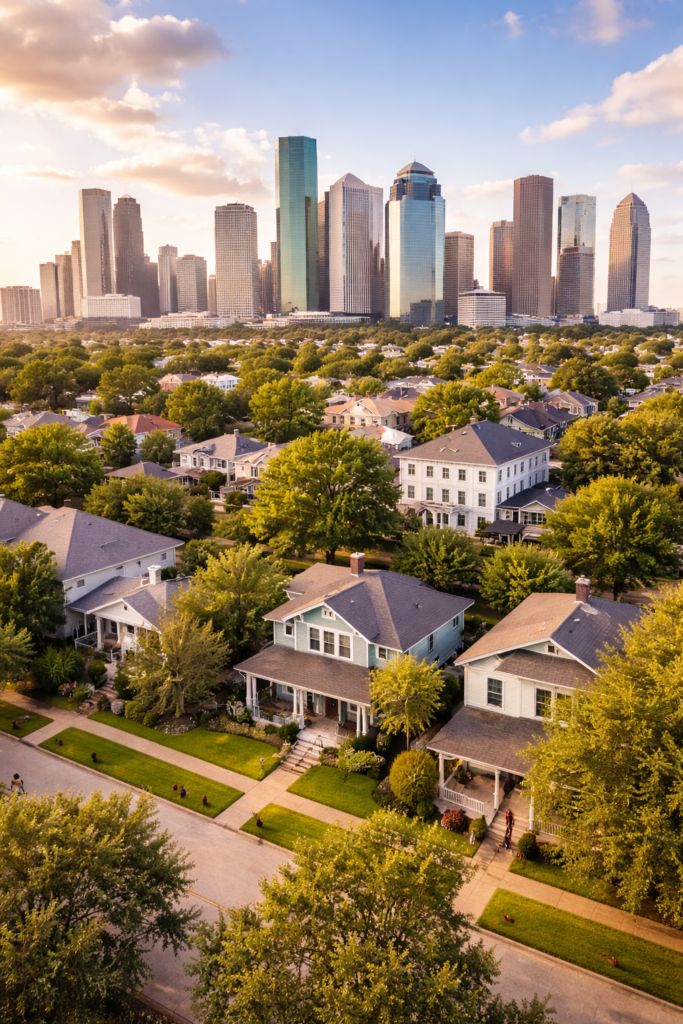
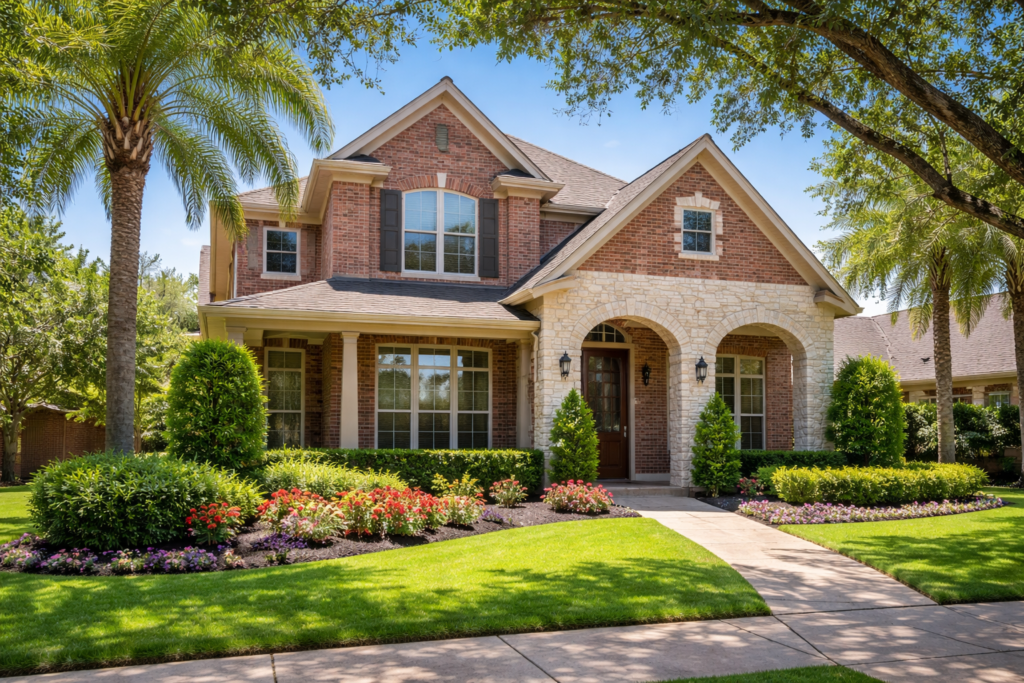
The neighborhood’s walkability, dining options, parks, and proximity to Houston employment centers create daily conveniences that suburban alternatives cannot match. The strong community identity and preservation of historic character provide a sense of place often lacking in newer master planned developments. Architectural diversity, from Victorian homes to modern farmhouse builds, offers visual interest and distinctive streetscapes.
Families with school age children should carefully research campus options and factor private school tuition into budgets if public schools don’t meet expectations. Buyers requiring significant yard space for pets, gardens, or outdoor entertaining may find The Heights’ smaller lots limiting, particularly on newly subdivided properties. Commuters heading to Energy Corridor, Katy, or other west Houston employment centers face longer drives that erode location advantages.
Budget considerations extend beyond purchase price. Property taxes, higher utility costs, potential HOA fees, and premium pricing for nearby services add to monthly expenses. Buyers stretching to afford Heights homes may find themselves house poor, unable to enjoy the neighborhood’s restaurants, shops, and entertainment that make the location desirable.
Begin Your Heights Home Search Today
Living in The Heights offers a unique Houston experience blending historic charm with modern urban convenience. The neighborhood’s strong appreciation, walkable commercial districts, proximity to downtown Houston, and active community make it a top choice for many homebuyers in 2026.
However, premium pricing, property taxes, parking challenges, and climate considerations require careful evaluation. Buyers should visit The Heights multiple times, exploring different sections and experiencing the neighborhood during various times of day and days of the week. Understanding exact flood zones, reviewing applicable historic district guidelines, and calculating true monthly costs including taxes and utilities creates realistic expectations.
Search Houston homes in The Heights and surrounding neighborhoods on my website, where you can explore the latest listings, compare neighborhood features, and access detailed market data. Register for listing alerts to receive notifications when new Heights properties matching your criteria hit the market. Whether you’re a first time buyer, military family using a VA loan, or investor evaluating Houston real estate opportunities, I provide the local expertise you need to make confident decisions.